

This article has been translated using machine translation. Therfore, the content may contain inaccuracies or may not perfectly reflect the original meaning. For complete accuracy, please refer to the original version of the text. We appreciate your understanding.
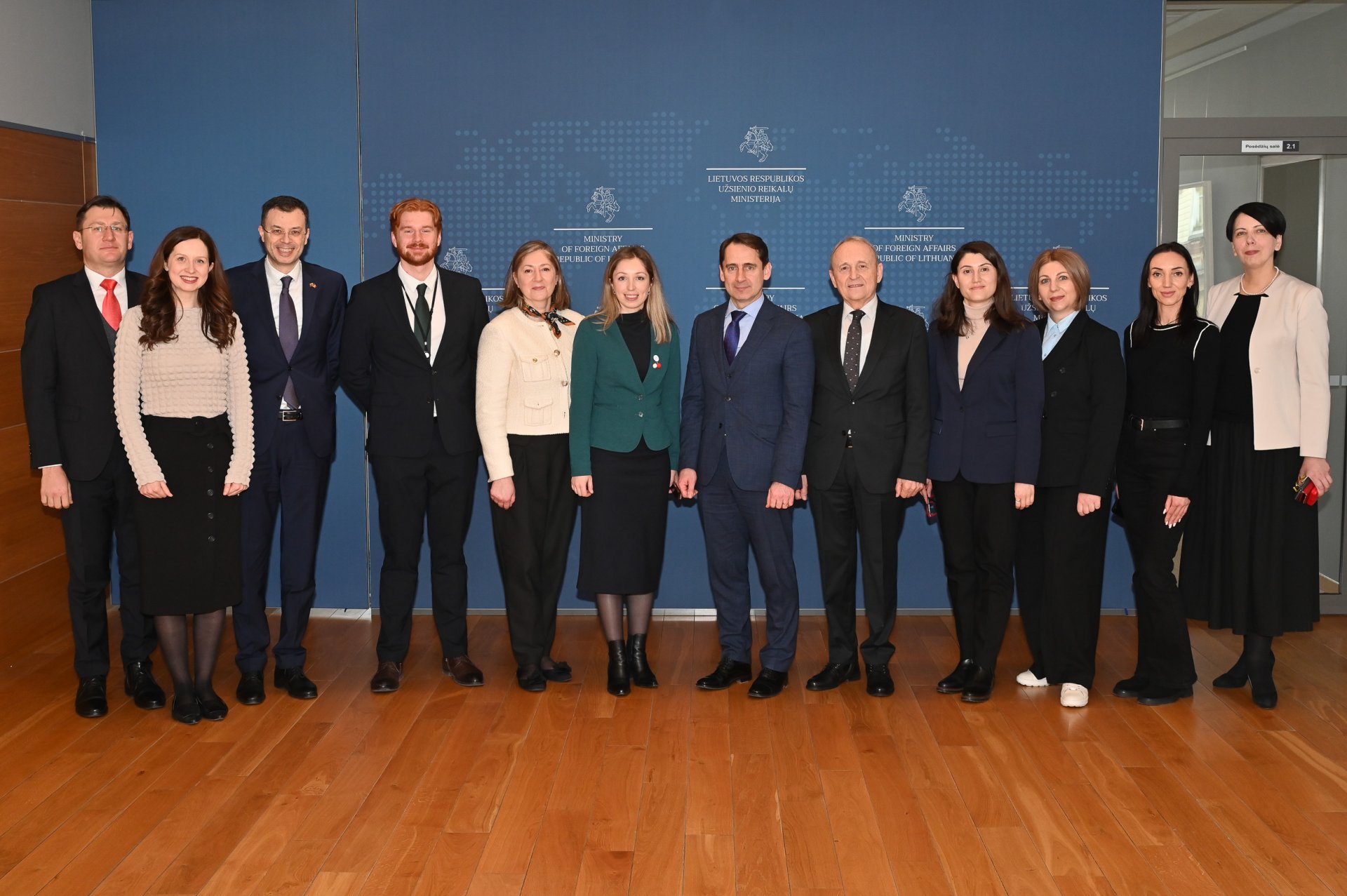
On March 13–14, bilateral consultations between Lithuania and Moldova on diaspora policy implementation are taking place in Vilnius.
During the consultations, representatives from the Lithuanian Ministry of Foreign Affairs and other institutions are introducing officials from the Moldovan government chancellery to Lithuania’s experience in implementing diaspora policy and promoting return to the homeland.
“Lithuania and Moldova share a common goal – to maintain a living connection with their people, wherever they live. Today, as our region faces security challenges, the community spirit of the diaspora, resilience against disinformation, civic engagement, and involvement in creating well-being and a safe environment at home are especially important. By sharing experience, we become stronger and better prepared to face challenges, seize opportunities, and build a secure future in Europe,” said Deputy Minister of Foreign Affairs Sigitas Mitkus after the meeting with the Moldovan delegation.
The consultations pay considerable attention to measures encouraging return. Moldova was introduced to the idea of a “Returning Lithuania” and the activities of the Ministry of Foreign Affairs consultation center “Grįžtu LT” (I’m Returning LT). “The progress Lithuania has made in recent years to encourage diaspora return and create favorable conditions for returnees is demonstrated not only by the growing number of returnees but also by increasing international attention,” emphasized the Deputy Minister.
On March 13–14, the Moldovan delegation, led by Moldovan Government State Secretary Ana Calinici, meets with representatives from various Lithuanian institutions responsible for diaspora policy implementation and promoting return to Lithuania – the Ministry of Foreign Affairs, Ministry of Economy and Innovation, Employment Service, Invest Lithuania, Education Exchanges Support Foundation, and the Lithuanian National Culture Centre. Meetings with members of the Lithuanian Parliament and the World Lithuanian Community Commission, Global Lithuanian Leaders, and representatives of the Kazickas Family Foundation are also planned.
The Ministry of Foreign Affairs is the coordinator of Lithuania’s diaspora policy implementation. In total, diaspora policy is carried out by 36 state institutions and 60 municipalities.